
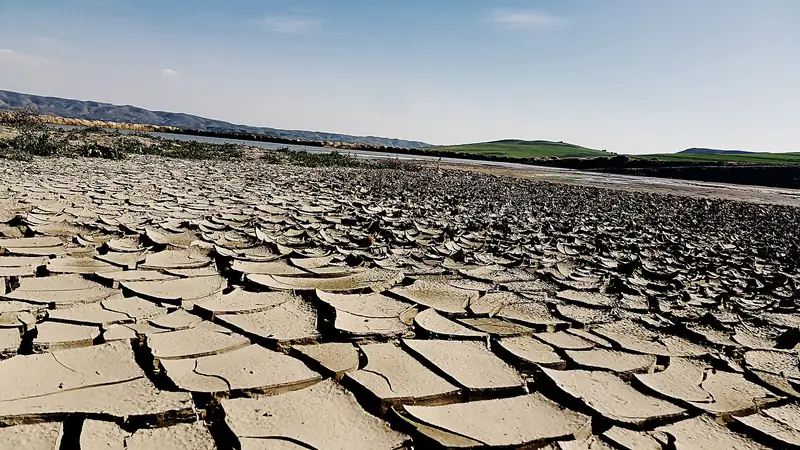
Quick answer
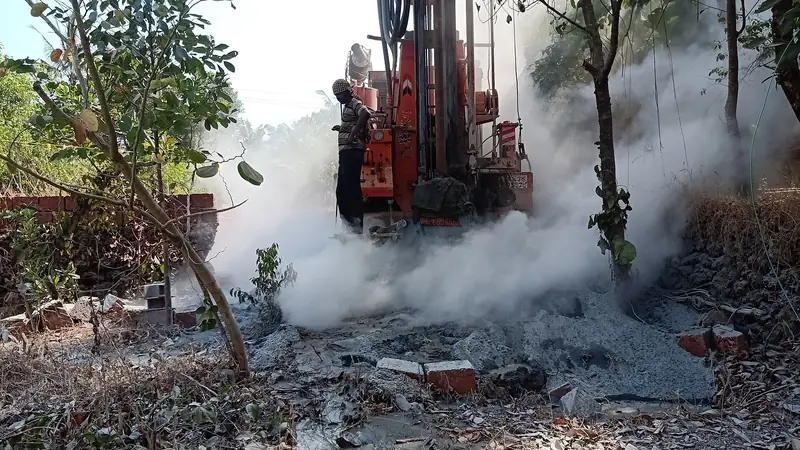
The real reasons borewells fail — poor point selection, wrong depth, over-extraction and seasonal drops — and how a data-driven scan plus a survey prevents an expensive dry hole.
The common causes
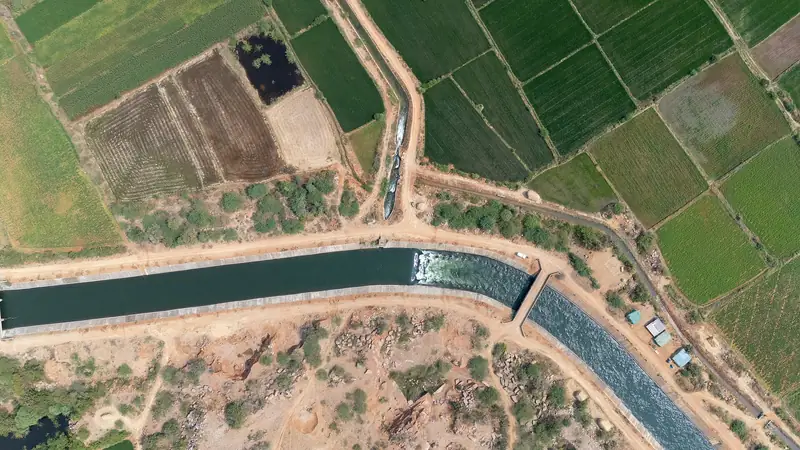
- Poor point selection — drilling on a ridge or away from fracture/recharge zones.
- Wrong depth — stopping short of, or missing, the aquifer.
- Over-extraction nearby lowering the local water table.
- Seasonal timing — testing yield at the driest time.
- Ignoring local well data that already tells the story.
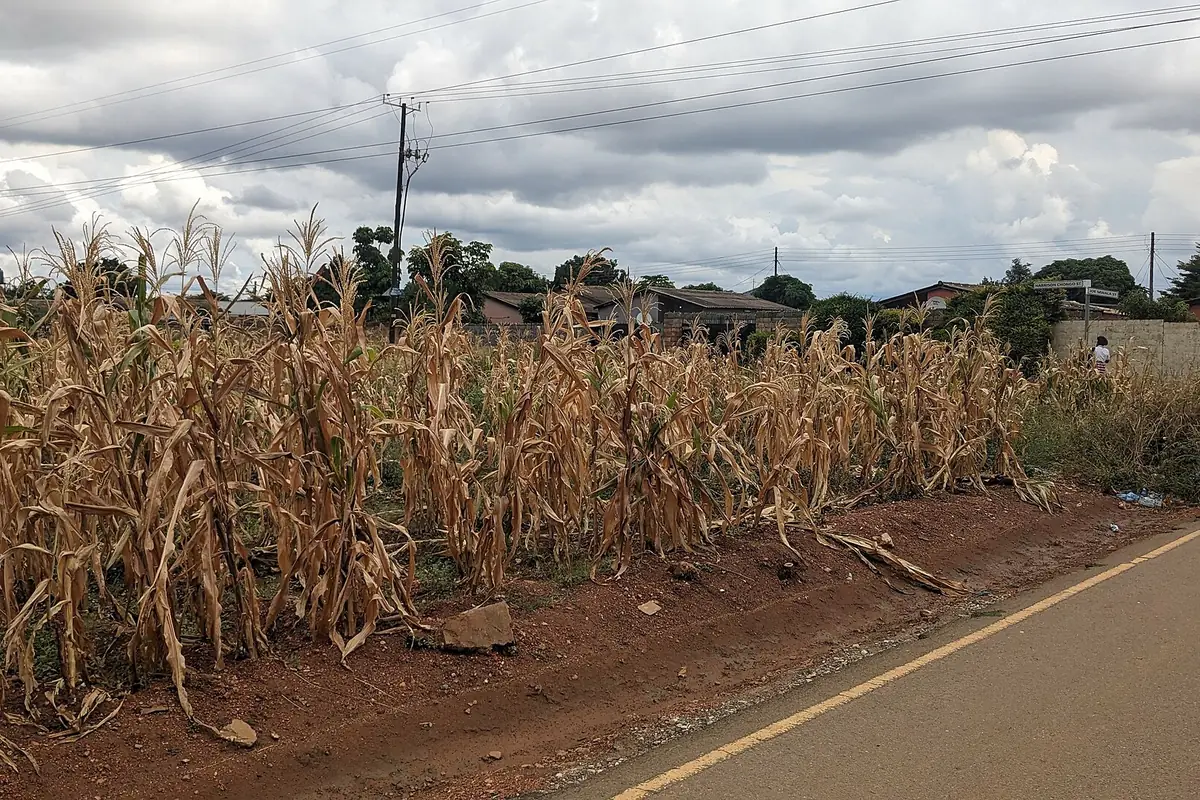
How to avoid a dry hole
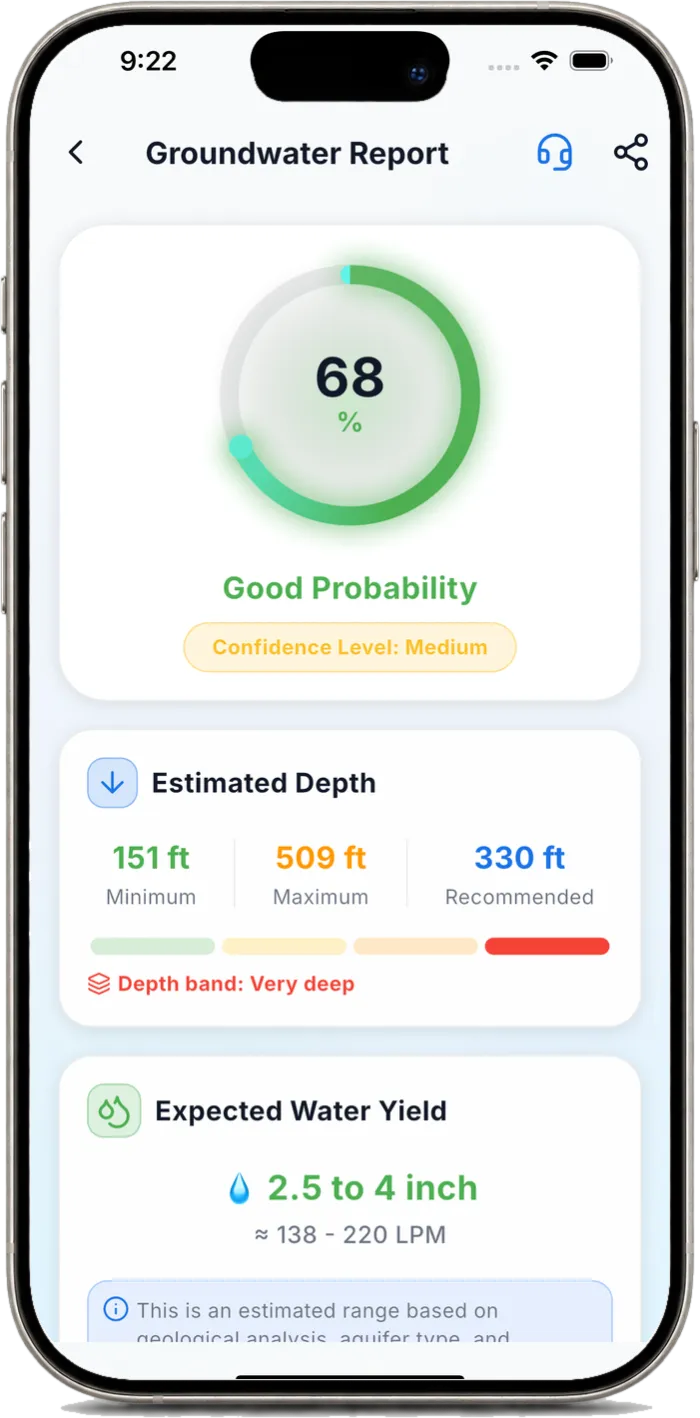
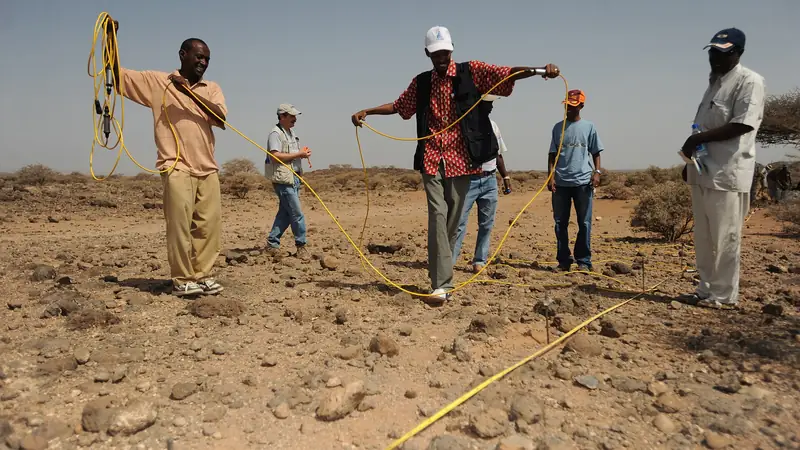
Pre-select the point with data (terrain, drainage, geology), estimate the depth band, and confirm high-value sites with a survey.
JalDrishti is free worldwide: unlimited groundwater scans, reports, maps and a bore calculator, with voice guidance in 33 languages. You only ever pay if you choose an optional certified-geologist review.
The cheapest insurance
A free scan plus, when it matters, a certified-geologist review costs a fraction of a wasted borehole.